
Skin Cancer Diagnosis & Treatment in Turlock, CA
At My Skin Institute, we provide skin cancer diagnosis and treatment with a thoughtful approach centered on comfort, clarity, and trust. Our team delivers thorough evaluations, personalized care plans, and attentive support in a calm, boutique setting, so you can move forward with answers and confidence.
What Is Skin Cancer and What Causes It?
Skin cancer develops when abnormal skin cells grow in an uncontrolled way. In many cases, this process begins after cumulative ultraviolet damage changes the DNA inside skin cells. Over time, those damaged cells may begin to multiply instead of repairing themselves normally.
Several factors can raise the risk of developing this condition, including:
- Frequent sun exposure over the years
- A history of blistering sunburns
- Fair skin, light eyes, or a tendency to burn easily
- A family or personal history of abnormal moles or prior cancerous lesions
- Immune suppression
- Age and long-term environmental exposure
The most common forms include basal cell carcinoma, squamous cell carcinoma, and melanoma. Each type behaves differently, which is why accurate diagnosis is essential before treatment begins.
What Are the Early Signs of Skin Cancer to Watch For?
Recognizing warning signs early can lead to faster care and better outcomes. One of the most helpful tools is the ABCDE rule for moles:
- Asymmetry, one half does not match the other
- Border irregularity, edges look uneven or blurred
- Color variation, with multiple shades in one spot
- Diameter, especially lesions that appear larger over time
- Evolving, meaning the spot changes in appearance or behavior
Other signs can include a sore that will not heal, a growth that bleeds easily, a rough patch that remains irritated, or a lesion that suddenly itches, crusts, or becomes tender. Many patients simply notice that one spot looks different from the rest. That instinct is worth taking seriously.
How Often Should You Get Skin Cancer Screenings if You Live in Sunny Areas?
For many adults, a yearly skin exam is a smart preventive step. Patients with higher risk factors often need more frequent visits, especially if they have a history of melanoma, multiple atypical moles, heavy lifetime sun exposure, or a strong family history.
Regular screenings help us compare the skin over time, which makes subtle changes easier to detect. That consistency can be especially important for patients whose risk has increased gradually through years of outdoor exposure. When we identify problems early, care is often simpler and more effective.
How Do Dermatologists Diagnose Skin Cancer?
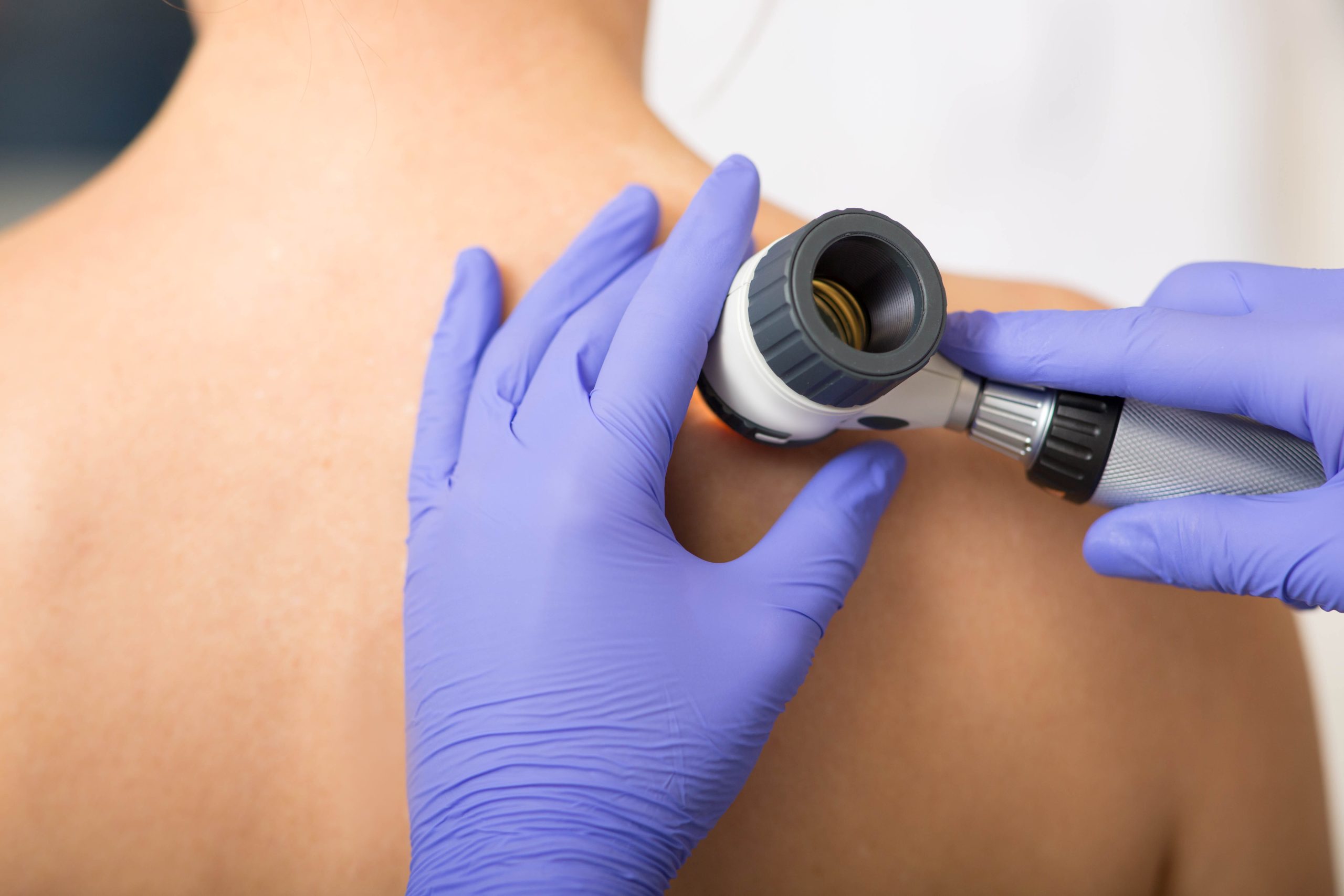
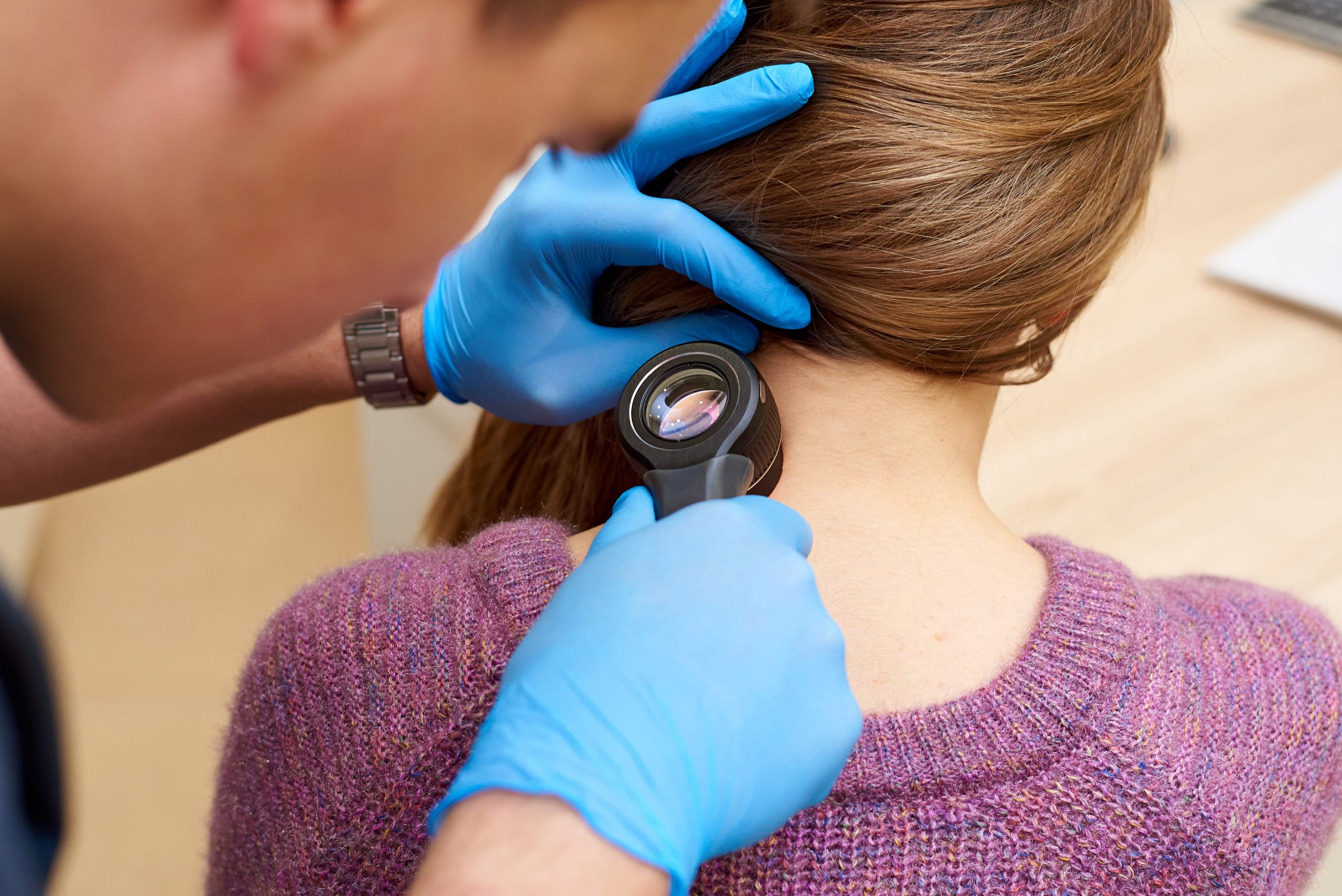
Dermatologists diagnose skin cancer by starting with a careful visual skin exam, reviewing any changes you have noticed, and considering your medical history. In many cases, they also use dermoscopy, a magnified tool that helps them examine pigment patterns and details below the skin’s surface that may not be visible to the naked eye.
If an area appears suspicious, a skin biopsy may be recommended to remove part or all of the lesion for microscopic evaluation, which is the most reliable way to confirm whether abnormal cells are present and identify the exact diagnosis.
Skin Cancer Treatment Options at My Skin Institute
No two lesions, and no two patients, are exactly alike. Treatment depends on the type of abnormal cells, how deep they extend, the location of the lesion, your health history, and the outcome we want to achieve. Our goal is to recommend care that is medically sound, practical, and tailored to your needs.
That individualized approach matters. It helps ensure that treatment is not only effective but also appropriate for the specific diagnosis and the skin involved.
Depending on the diagnosis, treatment may include:
- Cryotherapy for selected precancerous or superficial lesions
- Surgical excision to remove abnormal tissue with appropriate margins
- Topical treatments for certain early or surface-level changes
- Other targeted dermatologic procedures based on the depth and behavior of the lesion
We discuss why a particular option is recommended, what the procedure involves, and what healing is likely to look like.
What Should You Expect During Skin Cancer Treatment?
Treatment usually begins with a conversation about your diagnosis, options, and timeline. We explain what the procedure is meant to accomplish, how the area will be numbed if needed, and what you can expect during and after the visit. That preparation helps reduce uncertainty and makes the experience feel more manageable.
Throughout care, we focus on:
- Careful planning
- Comfort during the procedure
- Clear communication at every step
- Written aftercare instructions
- Follow-up guidance when needed
Our team believes patients should never feel rushed through an important decision. We take time to answer questions so you feel prepared and supported from the beginning.
What Is Recovery Like After Skin Cancer Removal?
Recovery depends on the size, depth, and location of the lesion, as well as the type of procedure performed. Smaller areas may heal relatively quickly, while larger removals may require more healing time and closer follow-up.
In general, recovery often involves:
- Keeping the area clean and protected
- Changing dressings as instructed
- Watching for redness, swelling, or drainage
- Returning for follow-up if stitches, wound checks, or pathology review are needed
Some degree of scarring is possible with many procedures, but thoughtful technique and proper wound care can support the best possible result. We guide patients through healing expectations and help them understand what is normal during recovery.
How Much Does a Skin Cancer Screening Cost?
The cost of an exam can vary based on the complexity of the visit, whether diagnostic testing is needed, and whether any procedures are performed. A straightforward screening visit may differ significantly from an appointment that includes a biopsy or removal.
We believe pricing should be clear, not confusing. Our practice values transparent pricing, and we discuss costs before treatment whenever possible. For many patients, insurance coverage and Medicare benefits also play an important role in what they can expect to pay. Our team can help clarify those details so there are fewer surprises.
Why Choose My Skin Institute for Skin Cancer Care?
- A Boutique Dermatology Experience Focused on You: Our office is designed to feel calm, welcoming, and attentive, so patients feel comfortable, respected, and genuinely cared for from the moment they arrive.
- Board-Certified Expertise You Can Trust: Our providers combine clinical precision with clear, patient-friendly explanations, helping you understand your diagnosis and treatment options with confidence.
- Zero-Rush Consultations and Clear Treatment Plans: We take time to evaluate concerns carefully, answer questions thoroughly, and create treatment plans that feel practical, personalized, and easy to understand.
- A Trusted Dermatology Office: Our practice is built on communication, integrity, and lasting relationships, giving patients confidence in the care they receive at every stage.
Schedule a Skin Cancer Consultation in Turlock, CA
If you are looking for a skin cancer doctor you can trust, My Skin Institute provides skin cancer diagnosis and treatment with a focus on early detection, personalized care, and clear communication. Schedule your appointment today and experience care that goes more than skin deep.